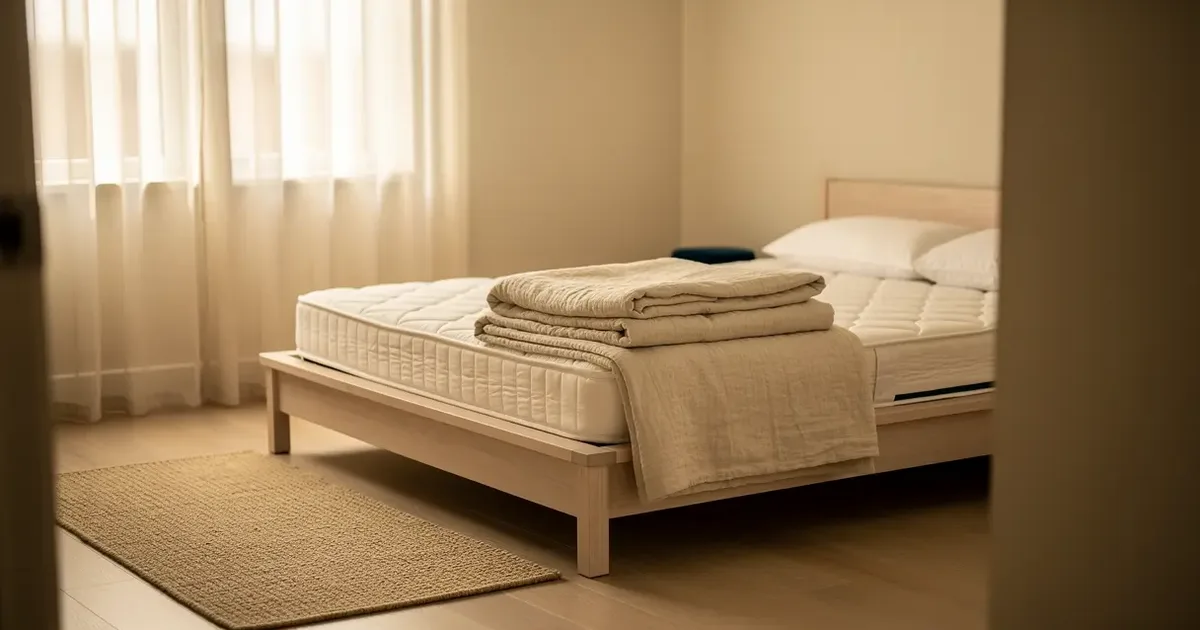

A sofa, carpet or mattress that has lost some of its lustre can often be cleaned rather than replaced. Over time, dirt dulls textiles, and good care can preserve their appearance and extend the lifespan of the fabric.
What dirt does to fibres
Dirt dulls fibres and wears them down little by little, but the fabric underneath is often still in good condition.
Over time, textiles collect dust, dirt and residue. The Carpet and Rug Institute, the American carpet industry association, explains in its commercial carpet maintenance standard that dry soil scratches fibres, which creates damaged traffic lanes and markedly shortens the life of the carpet. The same standard says that 79% or more of the soil can be removed dry, by vacuuming.
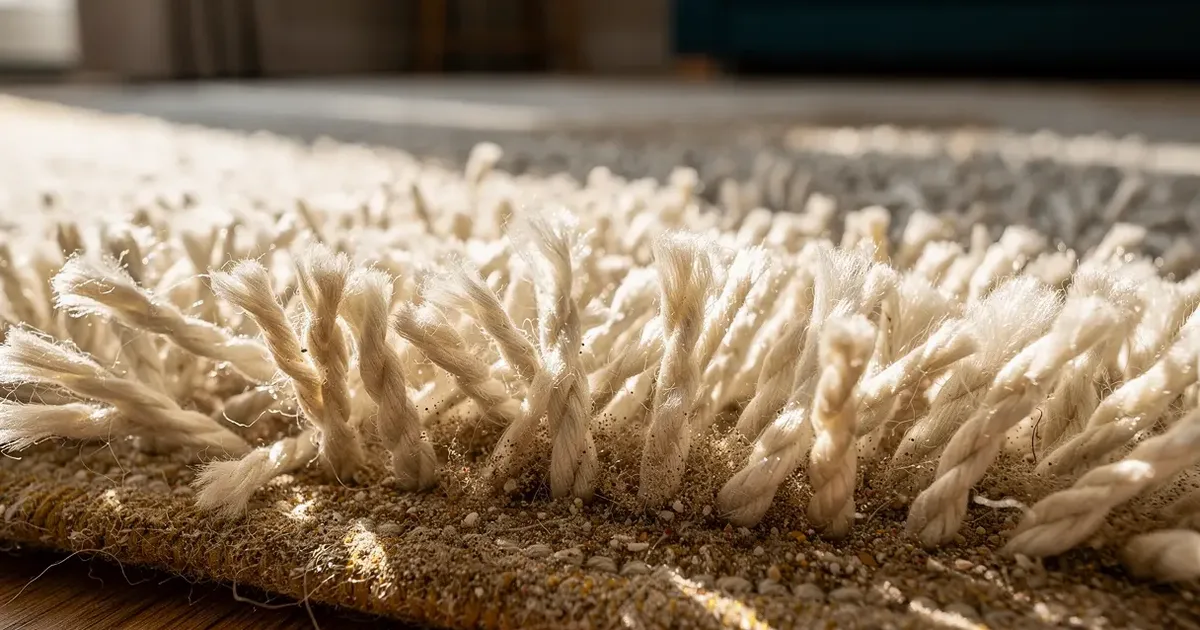
On a sofa or mattress, dust also settles with daily use, along with skin oils and residue. You notice it first in the colour, duller in the most-used spots, so a textile can look old while its structure is still sound. Removing the dirt often brings back some freshness. The structure, for its part, stays.
When a cleaning is enough
A cleaning is enough when the fabric is intact, with no tears, and its tired look comes mostly from dirt.
- The fabric is intact, with no tears or holes.
- The textile has mostly lost its lustre or collected dirt.
- It is dry and shows no sign of mould.
- The textile has a musty smell, with no lingering moisture. Depending on its source, such an odour can fade.
Before we start, we assess the textile, choose the appropriate method and tell you what result you can hope for. Some marks come out completely and others improve a lot without disappearing, and a few, such as certain discolourations, can be permanent. Some odours need extra treatment or do not go away completely.
For a carpet, the Carpet and Rug Institute recommends a professional deep cleaning every 12 to 18 months, to remove embedded dirt.
When replacing is the better call
Replacing is justified when the fabric is torn, the foam has sagged or the furniture is uncomfortable.
- The fabric is torn, frayed or has holes.
- The foam of a cushion or mattress has sagged.
- The textile has suffered major water damage or has established mould. These situations call for a specialist first.
- A very strong odour persists in the padding.
- The furniture is uncomfortable or no longer appeals to you.
For a mattress, the Sleep Foundation puts the lifespan of most models at 7 to 10 years and advises replacing it when you notice dips, sagging or visible wear.
We would rather tell you that a cleaning will not improve your textile enough than offer you a service you do not need. Once we open in January 2027, we will come to your home in Sherbrooke and within about 50 km.
Habits that extend the life of a textile
A few simple, repeated habits extend the life of a textile: vacuum, blot, protect. It is better to start them before the textile is in poor condition.
- Vacuum carpets at least once a week, and more often in high-traffic areas, according to the Carpet and Rug Institute.
- Blot spills right away, without rubbing.
- Rotate cushions and move area rugs from time to time to spread the wear.
- Protect the mattress with a washable mattress protector, which the Sleep Foundation advises washing every one to two months.
- Vacuum and clean the mattress about every six months, according to the Sleep Foundation.
- Have the textile cleaned when you see the first signs of dirt, before the wear sets in.
We also offer a stain protector. Depending on the textile, we tell you during the assessment whether it is worth applying.
To learn more about timing, read our article on how often to clean, and to see how we work, have a look at our method.
Frequently asked questions
How can I tell if my textile can be saved?
Start by checking whether it is torn, sagging or damaged in its structure. If the fabric is intact and only dull or stained, a cleaning can improve it. A cleaning does not repair a textile that is damaged in its structure, and we would rather tell you so honestly.
My mattress is several years old: should I replace it?
Not necessarily. A mattress that is intact, only stained or dull, can be cleaned. The Sleep Foundation puts the lifespan of most mattresses at 7 to 10 years. If it sags or visibly wears out, it is better to replace it, and a photo lets us tell you what is realistic.