A good photo beats a long description. For a carpet, a piece of upholstered furniture or a mattress, you need an overall view, a close-up of each stain, the care label if there is one and approximate dimensions. Well taken, these photos keep a record of the textile's condition, help you follow how a stain changes and prepare for a professional cleaning.
Why photos help
A photo shows the condition of the textile and its approximate size, and gives an idea of the fibre. The price of a cleaning depends on the type of textile, its size, its condition and the treatments needed.
A photo does not replace the on-site inspection, and the final price can be adjusted after that inspection, depending on what is seen up close on the textile.
On upholstered furniture, the care label says a lot. According to furniture maker American Leather, the letter it carries (W, S, W/S or X) shows the type of cleaner the fabric accepts. A photo of that letter keeps it at hand before any cleaning.
An overall view
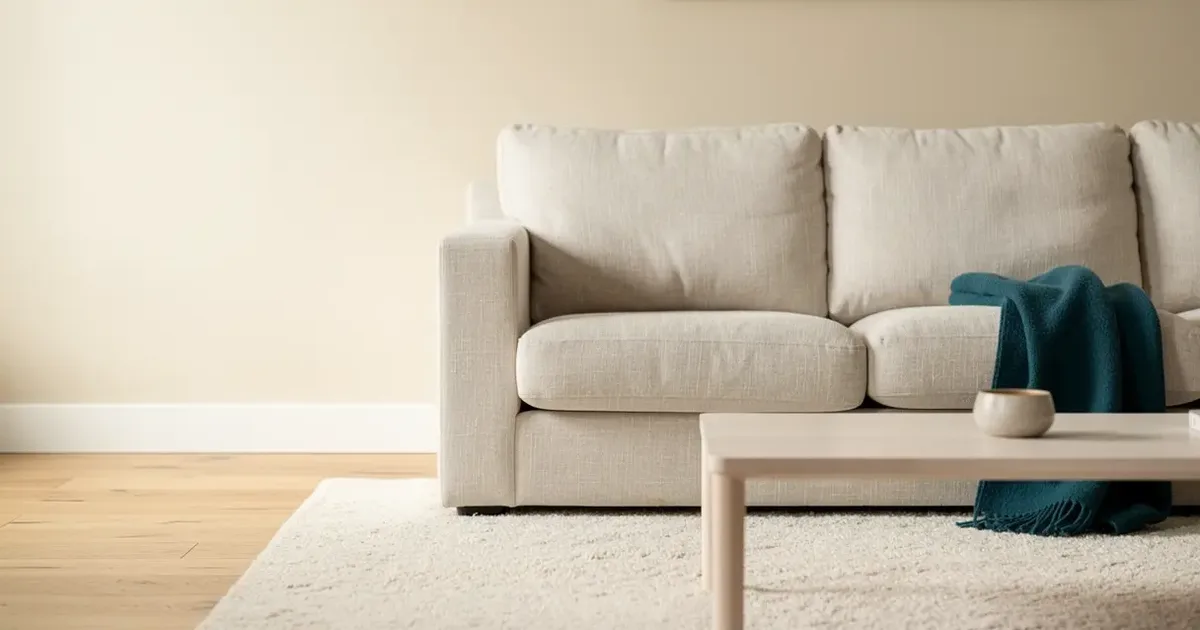
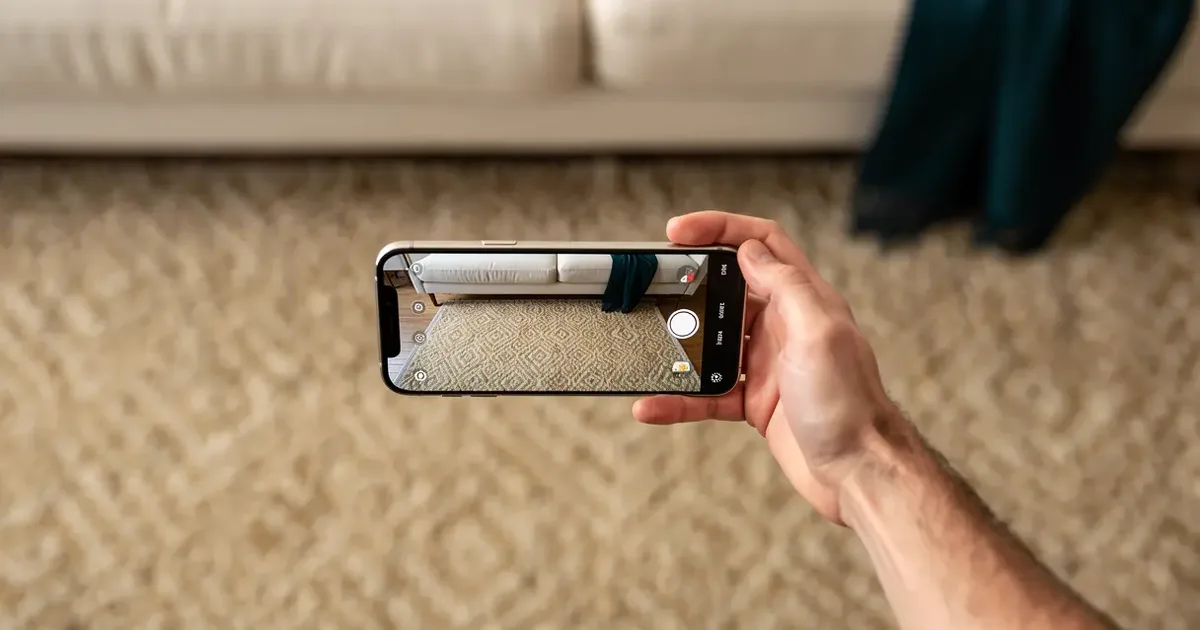
Start with a photo of the whole textile, taken in daylight, standing far enough back to see all of it. Avoid the flash.
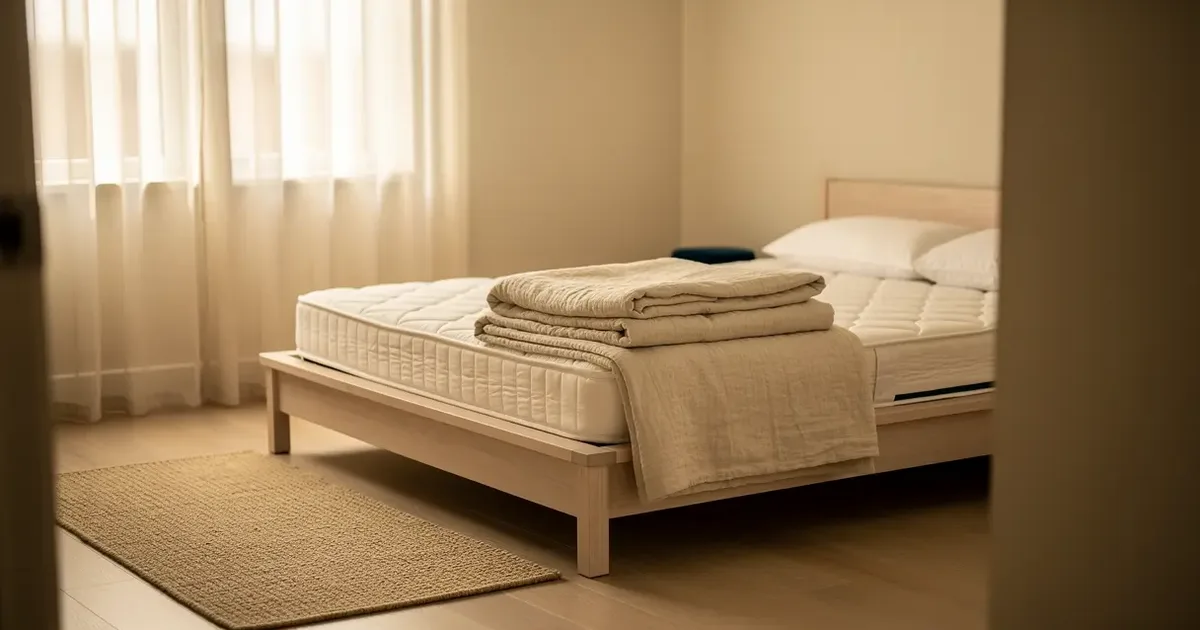
For wall-to-wall carpet, one photo of each room is enough. For a staircase, photograph the whole thing, then one step up close, and note the number of steps. For a mattress, a photo of the top, without bedding, helps show its condition.
Stains up close
Take a close-up of each area that worries you: a stain or a corner marked by a pet. One photo per area is better than a single photo for everything.
Note what you know about the stain. How long has it been there, and have you already tried a product? These answers guide the method, because a product that has already been applied can complicate the job.
In its stain removal guide, Consumer Reports points out that heat can set a stain, often permanently. So it is best to avoid heating the area before a professional cleaning.
The label
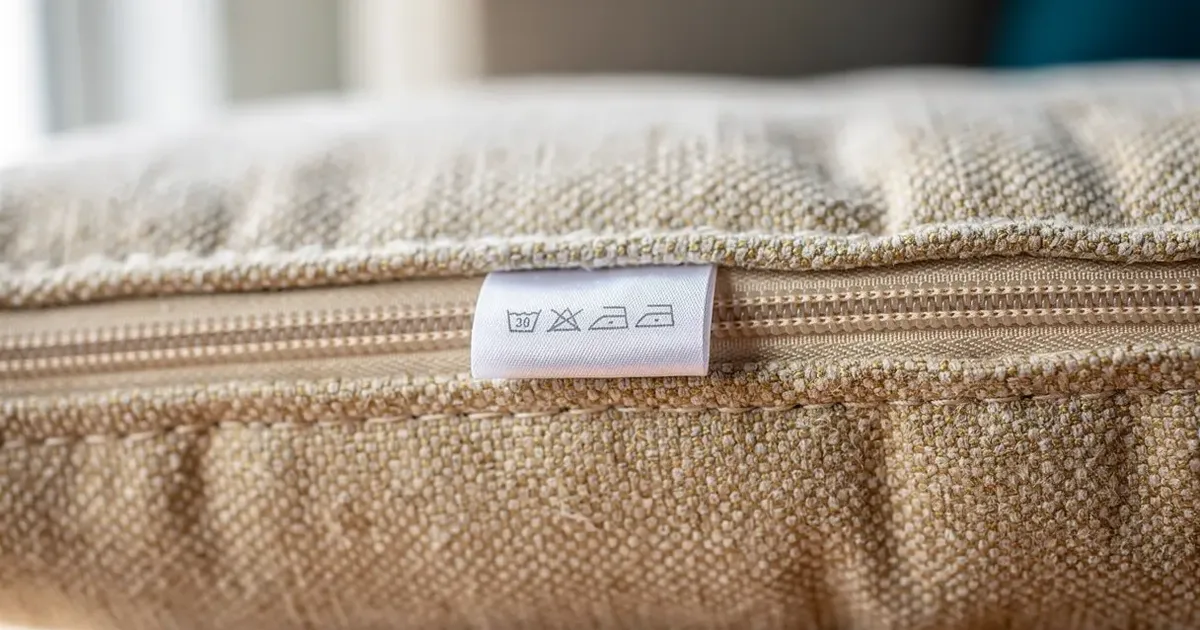
Look for the care label on the furniture, sewn under a cushion or under the seat. It is often hidden. It may carry a cleaning code: W for a water-based cleaner, S for a water-free solvent, W/S for either, X for vacuuming or light brushing only.
Furniture maker American Leather describes these codes and says to follow the fabric manufacturer's instructions before any cleaning. A legible photo of the label keeps these precautions at hand.
For an area rug, photograph the underside or the back. It shows the weave and gives clues about the fibre. If you do not know the fibre, it is determined during the on-site assessment.
What is worth noting
Note the number of seats on a sofa, the approximate dimensions of a carpet and the size of a mattress. Also note any pets, odours and old stains.
| Textile | Useful photos | What to note |
|---|---|---|
| Sofa or armchair | Overall view, seat, label | Number of seats, material if you know it |
| Carpet or wall-to-wall carpet | One photo per room, high-traffic areas | Approximate dimensions, stairs |
| Area rug | Overall view, underside | Dimensions, fibre if known |
| Mattress | Top without bedding, stains | Size: twin, double, queen or king |
Odours are treated according to their source, but some may need extra treatment or may not go away completely. Humane World for Animals explains that pet urine makes the job harder when it has soaked through the carpet to the carpet pad, and that part of the carpet and pad sometimes has to be replaced. Note where they come from, if you know: it helps judge honestly what can improve.
Before the cleaning
Before we start, we assess the textile on site and choose the appropriate method, and the final price is confirmed after that inspection. From our opening in January 2027, we will also be able to offer a free on-site estimate when the situation calls for a more precise assessment. If a stain may not come out completely, we tell you before we act.
Before and after our visit
Remove personal items and clear access to the textile before we arrive. A piece of furniture that has to be moved to reach a carpet or wall-to-wall carpet is moved on request, but it is not part of our basic service and is added to the price.
Think about drying too: in its CRI 204 standard on commercial carpet maintenance, the Carpet and Rug Institute says that good air circulation speeds up drying and that it is best to limit access to a carpet that is still damp. We always tell you what precautions to take after cleaning.
Frequently asked questions
Two short answers: an exact measurement is not necessary, and the final price comes after the inspection.
Do I need to measure my textiles before having them cleaned?
A rough measurement is enough, for example the dimensions of a room, the number of seats on a sofa or the size of a mattress. The rest is confirmed during the assessment.
Is the final price known in advance?
No. The final price is confirmed after the on-site inspection, based on the textile, its condition and the treatments needed.